
REQUEST A FREE QUOTE TODAY
Gutter guards are designed to reduce the amount of debris that enters your gutters and minimize routine maintenance, but they still require occasional care to perform their best. Over time, leaves, dirt, pollen, and other debris can accumulate on or around gutter protection systems, potentially affecting water flow and drainage.
This comprehensive guide explains everything homeowners need to know about how to clean and maintain gutter guards. You’ll learn how often gutter guards should be inspected, the safest ways to clean them, common warning signs of drainage issues, and practical tips for maximizing the performance and lifespan of your gutter protection system.
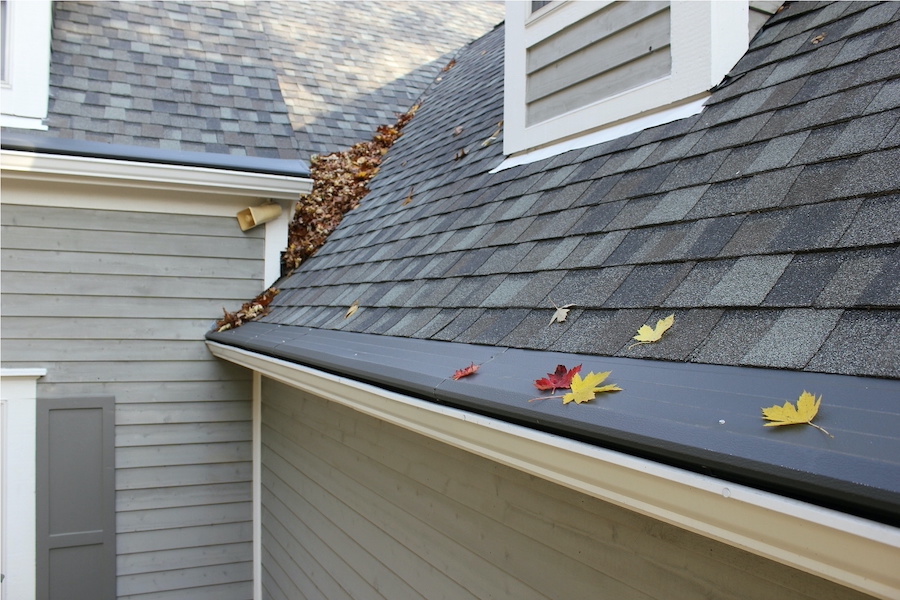
At Gutter Helmet of Southeast Michigan, we help homeowners protect their properties with gutter protection solutions designed for long-term performance and reduced maintenance.
If you have questions about your current gutter guards or are considering upgrading your system, contact us online today or call 231-267-4030 to schedule a consultation and learn how Gutter Helmet can help protect your home year-round.
One of the most common misconceptions about gutter guards is that they eliminate gutter maintenance entirely.
In reality, every type of gutter guard benefits from occasional inspection and upkeep. While gutter guards dramatically reduce the amount of debris that enters gutters, dirt, pollen, roof granules, and small organic materials can still collect on top of the system or within drainage pathways.
The amount of maintenance required often depends on:
Some gutter guard systems require more frequent cleaning than others, making system design an important consideration for homeowners seeking a low-maintenance solution.
Not all gutter guards are designed the same way, and maintenance requirements can vary significantly depending on the system. Understanding how each type manages debris and water flow can help homeowners choose a solution that aligns with their maintenance expectations.
Screen gutter guards use large openings to block leaves and debris. While affordable and widely available, debris can accumulate on top of the screen and may require periodic cleaning to maintain proper water flow.
Fine mesh guards are designed to keep out smaller debris while allowing water to enter the gutter. They typically provide better filtration than screen systems but can collect dirt, pollen, and roof grit over time.
Foam and brush inserts sit inside the gutter itself and help block larger debris. However, organic material can become trapped within the system, often leading to more frequent cleaning and maintenance.
Reverse-curve gutter guards use surface tension to direct rainwater into the gutter while allowing leaves and debris to slide off the edge. Because debris is shed rather than filtered, these systems often require less maintenance than screen, mesh, or insert-style alternatives.
This debris-shedding design is one reason many homeowners choose systems like Gutter Helmet when looking for a long-term gutter protection solution that helps minimize ongoing upkeep.
Not all gutter guards manage water and debris the same way. In fact, the design of the system is one of the biggest factors affecting how much maintenance it will require over time.
Generally, gutter guards fall into two categories:
Screen and mesh gutter guards work by filtering water through openings while blocking leaves and other debris. While effective, these openings can collect dirt, pollen, roof grit, and organic matter over time, which may require periodic cleaning to maintain proper water flow.
Some gutter protection systems are designed to shed debris rather than trap it. By encouraging leaves, twigs, and other materials to fall to the ground, these systems can help reduce buildup and minimize ongoing maintenance needs.
For homeowners seeking a low-maintenance solution, understanding this distinction is important. A gutter guard’s long-term performance often depends not only on how well it blocks debris, but also on how effectively it prevents debris from accumulating in the first place.
One example is the nose-forward design used by Gutter Helmet. Rather than filtering water through a screen, it uses surface tension to guide rainwater into the gutter while allowing leaves and debris to slide off the edge. This approach helps reduce debris accumulation and supports reliable water flow throughout the year. Learn more about how Gutter Helmet works and how it differs from traditional screen and mesh gutter guards.

While gutter guards significantly reduce maintenance, periodic cleaning and inspections are still important for keeping your gutter system functioning properly. A few simple maintenance steps can help ensure rainwater flows efficiently and minor issues are addressed before they become costly problems.
Before cleaning, inspect your gutter system from the ground. Look for:
In many cases, binoculars can provide a closer view without the need to climb a ladder.
Leaves, twigs, seed pods, and other debris that collect on top of gutter guards should be removed periodically to maintain proper water flow.
Depending on your system, debris can often be cleared using:
Avoid using sharp tools or excessive pressure, which may damage the gutter guard surface.
Once debris has been removed, run water through the system to confirm it is draining properly. Watch for areas where water pools, spills over the gutter edge, or drains slowly, as these may indicate a blockage or performance issue.
Gutter guards help keep debris out of the gutter trough, but downspouts should still be inspected periodically. A clogged downspout can prevent water from draining efficiently and may cause gutters to overflow during heavy rain.
Even if your gutter guards appear to be working properly, seasonal inspections can help identify developing issues before they lead to water damage. Most homeowners benefit from inspecting their gutter system in the spring and fall, as well as after major storms.
Even the best gutter guard systems should be inspected periodically. Identifying minor issues early can help prevent drainage problems and costly water damage.
Watch for these common warning signs:
If you notice any of these issues, it’s a good idea to inspect your gutter system and address maintenance needs before they lead to more significant problems.
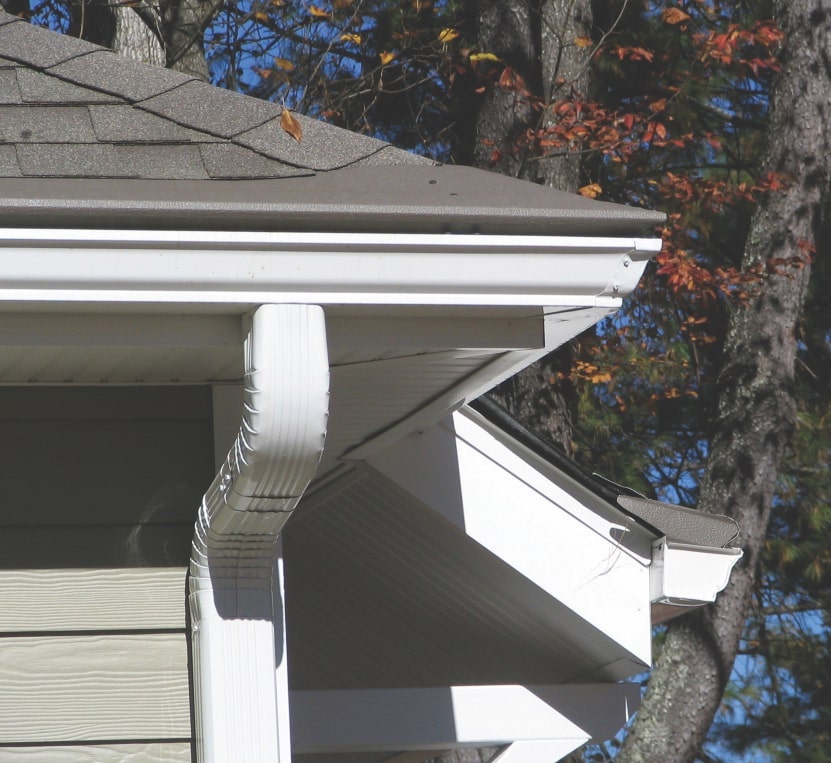
If your current gutter guards require frequent cleaning, allow debris into the gutters, or struggle during heavy rain, it may be worth evaluating newer gutter protection technologies.
Modern systems are often designed to:
For homeowners seeking a low-maintenance gutter protection solution, understanding the benefits of Gutter Helmet can help determine whether an upgrade makes sense.
Gutter Helmet of Southeast Michigan combines specialized gutter protection expertise with a commitment to helping homeowners protect their properties from water-related damage. Our team understands the unique challenges that Southeast Michigan weather can create and provides tailored solutions designed for long-term performance.
Homeowners choose us for:
Whether you’re maintaining an existing system or considering an upgrade, our team can help you find the right solution for your home’s drainage and gutter protection needs.
Regular inspection and maintenance are important for keeping any gutter guard system performing at its best. Understanding how different types of gutter guards function can help homeowners make informed decisions about cleaning, maintenance, and future upgrades.
If you’re looking for a gutter protection system designed to reduce maintenance and improve long-term performance, Gutter Helmet of Southeast Michigan can help.
Contact us online today or call 231-267-4030 to schedule a consultation and learn how Gutter Helmet can help protect your home from clogs, overflows, and water damage year-round.
Do gutter guards need to be cleaned?
Yes. While gutter guards significantly reduce the amount of debris that enters your gutters, they are not completely maintenance-free. Periodic inspections and occasional cleaning help ensure proper water flow and long-term performance.
How often should gutter guards be cleaned?
Most homeowners should inspect their gutter guards at least twice per year, typically in the spring and fall. Homes surrounded by mature trees may benefit from more frequent inspections, especially after storms or during peak leaf-fall seasons.
What is the best way to clean gutter guards?
The best cleaning method depends on the type of gutter guard installed. In most cases, homeowners can remove surface debris using a soft brush, leaf blower, telescoping cleaning tool, or low-pressure water. Avoid using sharp tools that could damage the system.
Why are my gutter guards overflowing during heavy rain?
Overflowing gutters can indicate debris buildup, clogged downspouts, improper installation, or a gutter guard system that is not effectively managing water flow. A professional inspection can help identify the underlying cause.
Can clogged gutter guards cause water damage?
Yes. When water cannot flow properly through the gutter system, it may overflow and contribute to foundation issues, landscape erosion, siding damage, or moisture problems around the home.
When should I call a professional for gutter guard maintenance?
Consider contacting a professional if you notice persistent overflow, sagging gutters, recurring clogs, water pooling near your foundation, or damage to your gutter guard system. Professional inspections can help prevent minor issues from becoming costly repairs.
Are some gutter guards easier to maintain than others?
Yes. Different gutter guard designs have different maintenance requirements. Systems designed to shed debris rather than trap it often require less upkeep because leaves and other debris are less likely to accumulate on the surface.