
REQUEST A FREE QUOTE TODAY
Your gutters are designed to do one important job: collect rainwater and direct it safely away from your home’s roof, siding, foundation, and landscaping. When they begin to sag, however, they can no longer move water efficiently, increasing the risk of overflow, leaks, and costly exterior damage.
In many climates, gutters are put to the test year-round. Heavy spring rains, summer thunderstorms, falling leaves, and winter snow and ice can all add stress to your gutter system. Over time, clogged gutters, loose fasteners, or aging materials can cause sections to pull away from the house or lose their proper slope.
The good news is that not every sagging gutter needs to be replaced. Some problems can be corrected with relatively simple repairs, while others signal that it’s time for a new gutter system. Understanding what’s causing the sagging is the first step toward choosing the right solution.
At Gutter Helmet of Southeast Michigan, we help homeowners protect their homes with professional gutter repair, seamless gutter replacement, and Gutter Helmet gutter protection systems designed for Michigan’s demanding climate. If you’ve noticed your gutters beginning to sag, this guide will help you understand why it happens, how it can be fixed, and when it’s time to call a professional.
Don’t let sagging gutters get you down. Call 231-267-4030 or contact us online to schedule your gutter services today.
Sagging rarely happens overnight. In most cases, it’s the result of years of wear or one underlying issue that has gradually worsened over time.
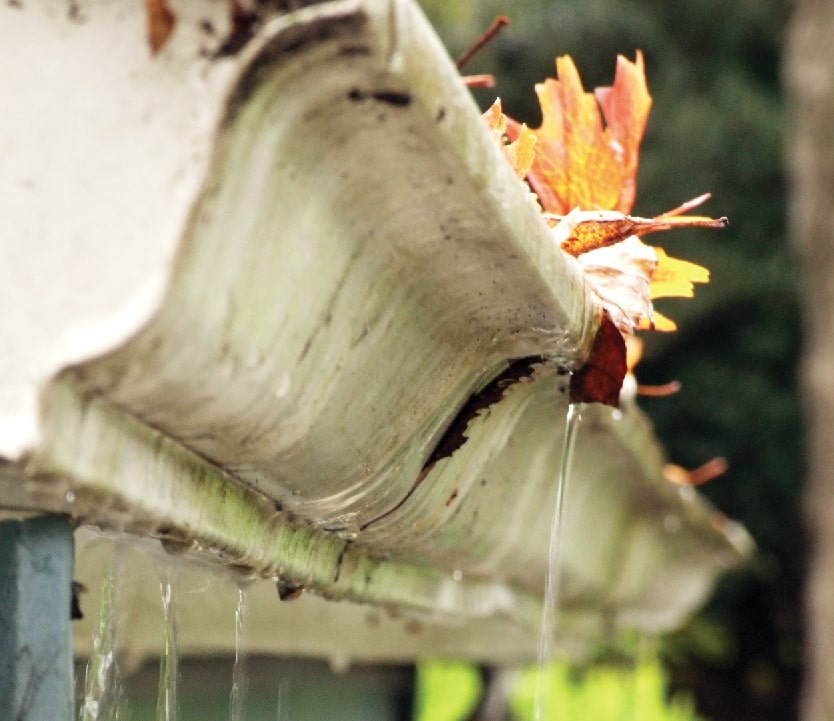
One of the most common causes of sagging gutters is excess weight from leaves, twigs, seed pods, and other debris.
When gutters become clogged:
Eventually, portions of the gutter may begin pulling away from the house or bowing in the middle.
According to the U.S. Environmental Protection Agency (EPA), keeping water moving away from your home is an important part of preventing moisture problems that can lead to structural damage and mold growth. Overflowing gutters can allow water to collect around the foundation or behind exterior finishes if left unaddressed.
Installing a gutter protection system like Gutter Helmet can help minimize debris buildup and reduce one of the leading causes of gutter sagging.
Related: Learn how Gutter Helmet works to keep leaves and debris out of your gutters.
Your gutters are only as strong as the hardware supporting them.
Modern gutters are typically secured with hidden hangers fastened directly into the fascia board. Older systems may still use spike-and-ferrule fasteners, which can gradually loosen over time.
Common problems include:
As support weakens, sections of the gutter begin to dip under normal water weight.
Fortunately, replacing damaged hangers is often one of the most straightforward gutter repairs when caught early.
Michigan winters can be particularly hard on gutters.
Heavy snowfall, freezing rain, and ice buildup place additional weight on an already stressed gutter system. If gutters are clogged before winter arrives, trapped water may freeze inside the trough, increasing the load even further.
Winter-related issues may include:
These conditions can bend gutter sections or loosen mounting hardware.
For homeowners concerned about winter performance, heated gutter protection systems such as Helmet Heat® can help improve water flow during freezing conditions.
Even brand-new gutters can begin sagging if they were not installed correctly.
Common installation mistakes include:
Poor installation often leads to standing water, which accelerates wear on both the gutters and their support system.
A properly installed gutter system should maintain consistent support while directing water efficiently toward each downspout.
Like every part of your home’s exterior, gutters eventually wear out.
Over time, exposure to sun, rain, snow, and temperature fluctuations can contribute to:
Older sectional gutters are particularly susceptible to leaks and structural problems because every seam represents a potential weak point.
If your gutters are decades old and showing multiple signs of deterioration, replacement may provide better long-term value than repeated repairs.
Sagging gutters rarely occur without warning. Watching for early signs can help you address small problems before they become larger repairs.
Common indicators include:
If you notice one or more of these warning signs, it’s worth scheduling an inspection before the damage progresses.
The answer depends on what’s causing the problem.
If the sagging is limited to a small section caused by loose fasteners or minor debris buildup, some homeowners may be able to perform basic maintenance themselves. Cleaning the gutters and tightening accessible hardware can sometimes restore proper support.
However, many gutter problems involve more than what is visible from the ground. Damaged fascia boards, improper slope, failing hangers, or sections that have become permanently bent often require professional repair or replacement.
Attempting extensive repairs without the proper equipment can also create safety risks, especially on multi-story homes or steep rooflines.
If you’re unsure whether your gutters can be repaired, a professional inspection can identify the underlying cause and recommend the most cost-effective solution.
The right repair depends on the condition of your gutter system. In many cases, several issues contribute to the problem rather than a single cause.
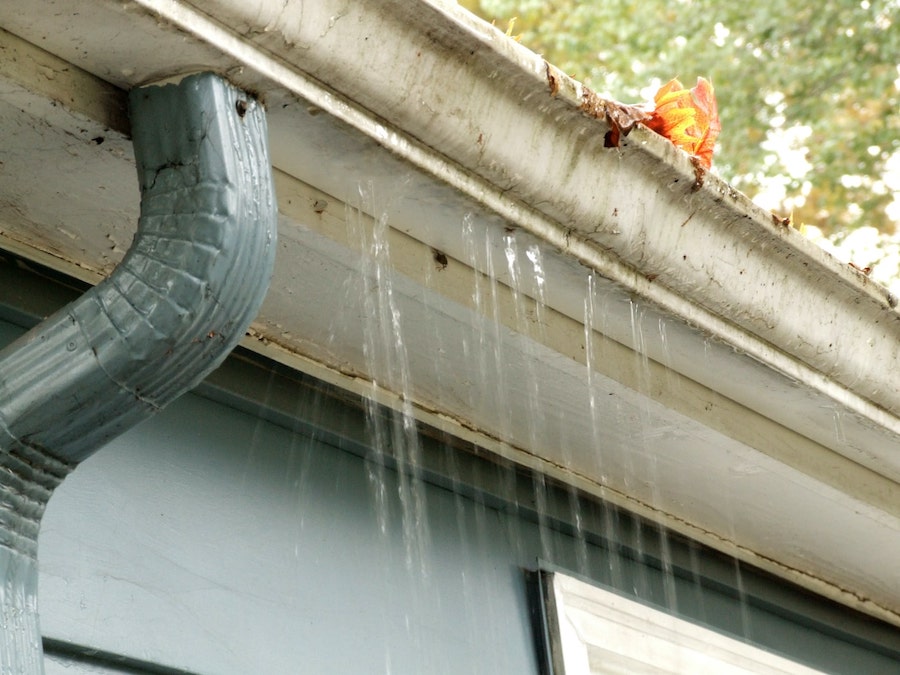
Before making any repairs, the gutters should be thoroughly cleaned.
Removing accumulated debris allows you to:
If gutters continue clogging year after year, installing a gutter protection system may help reduce future maintenance while improving overall performance.
Once the gutters are clean, inspect the hardware that holds them in place.
Look for:
In many cases, replacing worn hardware with modern hidden hangers can restore proper support. If the fascia board has become soft or rotten from prolonged exposure to moisture, it may also need to be repaired before the gutters can be securely reattached.
Gutters should have a slight pitch that allows water to flow naturally toward the downspouts. If sections have sagged over time, water may begin pooling instead of draining properly.
A professional can:
Correcting the slope helps reduce standing water, which can place unnecessary weight on the gutter system and contribute to future sagging.
Not every sagging gutter requires a complete replacement.
If only one section is damaged, a repair may be enough. However, replacement is often the better investment when gutters have:
An experienced contractor can determine whether localized repairs will provide a lasting solution or if replacing the affected sections makes more sense.
Even perfectly installed gutters can’t perform properly if the downspouts are blocked or damaged.
Check for:
A properly functioning downspout system allows water to exit the gutters quickly, reducing excess weight and improving overall performance.
Related: Learn more about choosing the right gutter downspouts for your home.
Some gutter systems simply reach the point where repairs become less practical than replacement.
Replacement is often recommended if your gutters have:
According to FEMA, directing rainwater away from your home’s foundation is one of the most important ways to reduce the risk of moisture intrusion and water damage around the home. A failing gutter system can no longer perform this essential function effectively.
If repairs become increasingly frequent, investing in a new gutter system may provide better long-term value while improving your home’s protection.
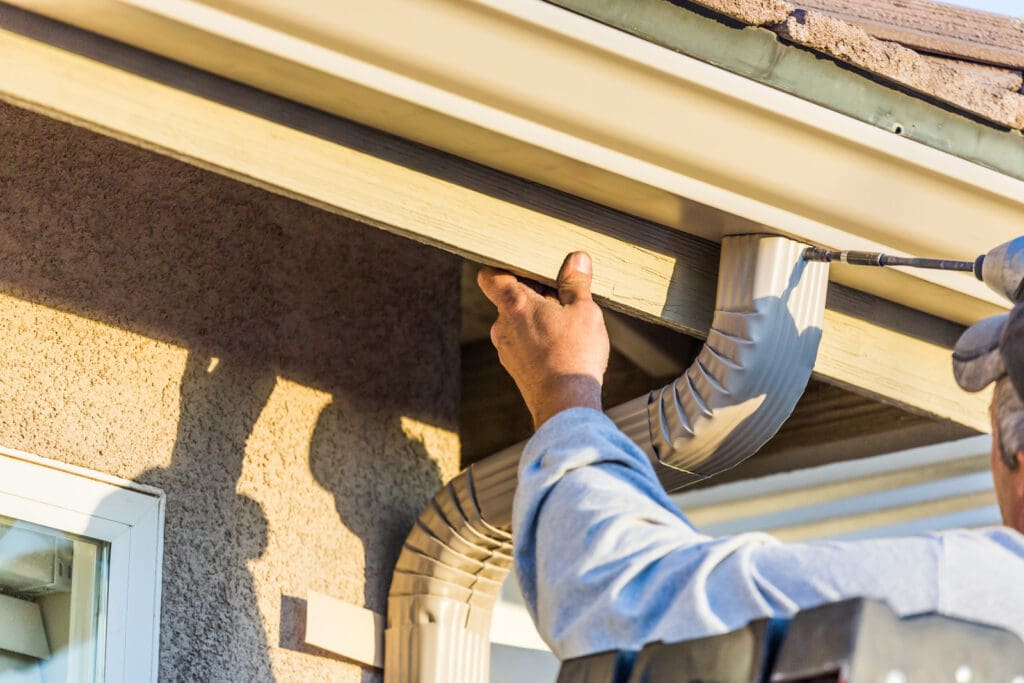
Many older homes still have sectional gutters connected by numerous seams. While functional, these systems have more joints that can weaken over time.
Seamless gutters offer several advantages, including:
Because seamless gutters are manufactured to fit each home, they also provide more consistent support across the entire roofline.
For many Southeast Michigan homeowners, seamless aluminum gutters offer an ideal combination of durability, affordability, and long-term performance.
The easiest gutter repair is the one you never have to make.
A few preventive maintenance steps can significantly extend the life of your gutter system.
No gutter protection system can eliminate every maintenance task, but reducing debris accumulation can significantly improve how your gutters perform throughout the year.
Gutter Helmet is designed to:
For Southeast Michigan homeowners dealing with heavy fall leaf drop and spring storms, gutter protection can help reduce seasonal maintenance while supporting the long-term performance of the entire gutter system.
Learn more about the benefits of Gutter Helmet and how it protects your investment year after year.
Michigan homeowners face weather conditions that demand more from their gutter systems than many other parts of the country. From heavy snow and ice to spring downpours and falling autumn leaves, your gutters work year-round to protect your home.
Gutter Helmet of Southeast Michigan provides complete gutter solutions tailored to these local conditions, including:
Our team helps homeowners choose the right solution based on the condition of their existing gutters, their home’s drainage needs, and their long-term maintenance goals.
Sagging gutters are often an early warning sign that your drainage system needs attention. Addressing the problem promptly can help protect your roof, siding, landscaping, and foundation from unnecessary water damage while extending the life of your gutter system.
Whether your gutters need a simple repair, a seamless replacement, or the added protection of Gutter Helmet, Gutter Helmet of Southeast Michigan has the experience and products to help you protect your home in every season.
Call 231-267-4030 or contact us online to schedule a professional gutter inspection. We’ll identify the cause of your sagging gutters, recommend the right solution, and help you enjoy a stronger, lower-maintenance gutter system built for Michigan weather.
Can sagging gutters be repaired?
Yes. Minor sagging caused by loose hangers, clogged gutters, or isolated damage can often be repaired. If multiple sections are failing or the gutters are severely deteriorated, replacement may be the better long-term solution.
Why are my gutters sagging?
The most common causes include debris buildup, standing water, loose or damaged hangers, heavy snow and ice, aging materials, and improper installation.
Should I repair or replace sagging gutters?
If the damage is limited and the gutters are otherwise in good condition, repairs may be sufficient. Older systems with widespread corrosion, leaks, or repeated problems are often better candidates for replacement.
Do seamless gutters sag less than sectional gutters?
Seamless gutters have fewer joints and are custom-fitted to your home, which can improve structural integrity and reduce common issues associated with sectional gutter systems.
Can gutter guards prevent sagging?
Gutter guards like Gutter Helmet help reduce debris accumulation and standing water, decreasing one of the primary causes of excess gutter weight. While no system can prevent every issue, gutter protection can reduce maintenance and support better long-term gutter performance.